
Lean Thinking is far more than a collection of tools and techniques; it is a fundamental philosophy that transforms how organizations understand value, eliminate waste, and pursue continuous improvement in everything they do. At its core, Lean Thinking asks a simple but profound question: What does the customer truly value, and how can we deliver that value with the least possible waste? This question, when taken seriously, challenges every assumption about how organizations operate and forces a fundamental reexamination of processes, systems, and behaviors that have often gone unquestioned for decades.
The five principles of Lean Thinking, as articulated by Womack and Jones, provide a framework for this transformation. The first principle is defining value from the customer’s perspective, understanding what the customer actually needs and is willing to pay for, not what we assume they want or what is convenient for us to provide. This requires genuine customer understanding and the humility to recognize that our assumptions may be wrong.
The second principle is to map the value stream, identify every step required to deliver the product or service, and distinguish between steps that create value and those that do not. This mapping reveals the significant waste in most organizations and provides a foundation for improvement.
The third principle is to create flow by eliminating barriers that prevent work from moving smoothly through the value stream. Flow means that work moves continuously from raw material to finished product without interruption, waiting, or rework. Achieving flow often requires reorganizing work, rearranging equipment, and changing how people think about their roles. The fourth principle is establishing pull, producing only what the customer wants when they want it, rather than producing to forecast and building inventory that may never be needed.
Pull systems reduce inventory, improve cash flow, and make organizations more responsive to customer needs. The fifth principle is pursuing perfection, the recognition that improvement is never complete and that there is always a better way. This principle embodies the spirit of continuous improvement that distinguishes Lean organizations.
Lean Thinking has been applied successfully across industries far beyond manufacturing, including healthcare, logistics, software development, government services, and financial services. The principles are universal because they address fundamental questions about value and waste that exist in every organization.
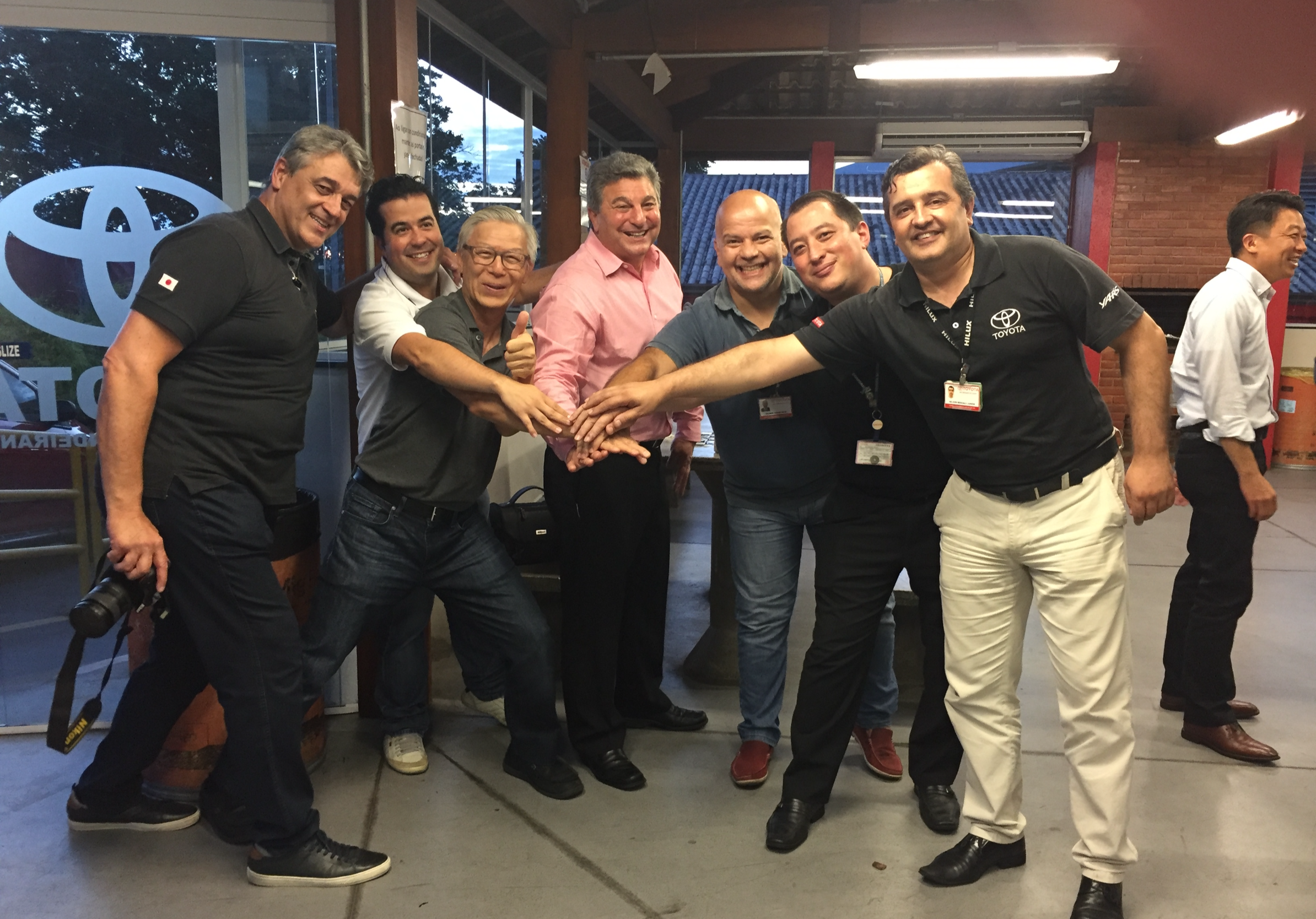
What varies is how the principles are applied, not the principles themselves. Our team of former Toyota executives has implemented Lean Thinking across forty countries and diverse industries, learning what works and adapting principles to each unique context while maintaining the integrity of the philosophy. We understand that Lean Thinking is not a destination but a journey, and we are committed to helping organizations embrace this transformative philosophy.
Our Knowledge Center serves as your comprehensive resource for insights on operational excellence, bringing together decades of Toyota experience in one accessible location. We understand that continuous improvement requires continuous learning, and our Knowledge Center provides the resources you need to deepen your understanding and accelerate your progress.
Each article, guide, and insight has been developed by our team of former Toyota members, drawing on real-world experience implementing the Toyota Production System across diverse industries and cultures. We share practical frameworks, common pitfalls to avoid, success metrics that matter, and leadership practices that drive sustainable improvement.
Our resources cover topics including Lean implementation, cultural transformation, quality systems, leadership development, and industry-specific challenges. Whether you are new to Lean or a seasoned practitioner, our Knowledge Center offers valuable insights that support your operational excellence journey.
We believe that sharing knowledge advances the practice of continuous improvement and benefits the entire business community. Explore our Knowledge Center and access the practical expertise that distinguishes American Kaizen.